


Coosa Valley – PFAS, or per- and polyfluoroalkyl substances, are synthetic chemicals commonly found in products like non-stick cookware, firefighting foam, and water-resistant materials. Known as “forever chemicals” due to their resistance to environmental breakdown, PFAS compounds are under increased scrutiny for their potential health risks, which include cancer, liver damage, and hormonal disruptions.
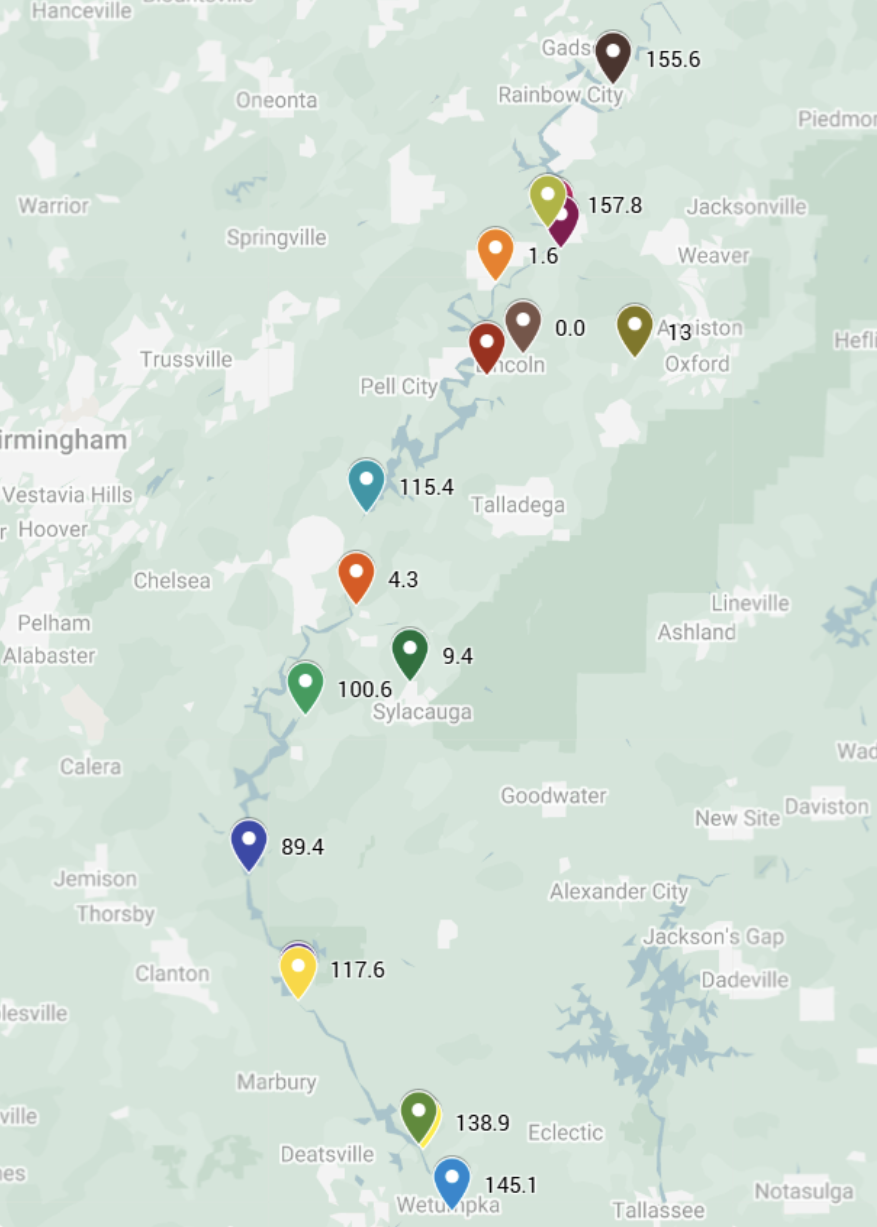
In response to these concerns, multiple environmental organizations have launched ongoing efforts to monitor PFAS levels in the Coosa River Basin. These initiatives began in 2023 with a national pilot study led by the Waterkeeper Alliance. Early results indicated that the Coosa Basin had some of the highest PFAS levels in Alabama and among the highest in the country.
In 2024, three additional studies were launched. The first, in partnership with Cyclopure, focused on PFAS concentrations around the Coosa’s five main reservoirs. Slight increases in contamination downstream of dams prompted questions about infrastructure-related influences.
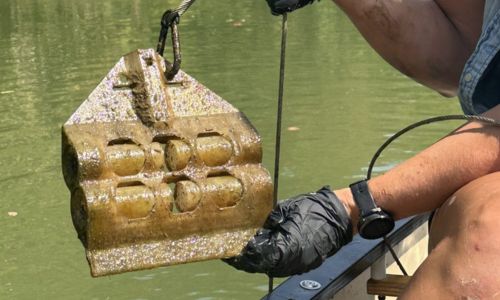
The second study tested a new long-term detection method using submerged samplers designed to capture PFAS compounds over a 30-day period. Despite the logistical challenges, researchers successfully deployed and retrieved all equipment, with lab results expected soon.
Looking ahead, researchers plan to expand PFAS sampling to fish tissue in 2025, aiming to assess potential exposure risks to local anglers. Continued partnerships and data collection are expected to support calls for stronger state and local policies on water quality and public health protections.